

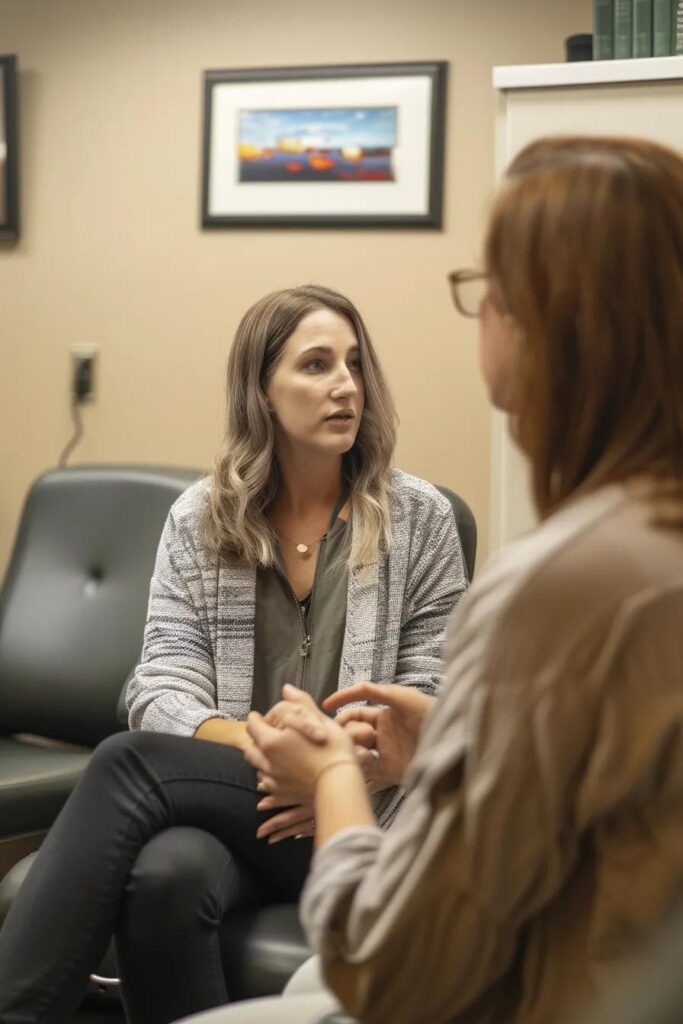


Enhance communication skills with effective speech rehabilitation programs for adults. These tailored therapies foster recovery and empower confident speaking.
Unlock Your Voice: Speech Rehabilitation Programs for Adults That Reshape Lives
Each year, over 795,000 adults in the U.S. face the challenges of stroke, traumatic brain injury, and neurological conditions, often impacting their ability to speak, swallow safely, or connect with loved ones. Reclaiming your voice is fundamental to independence, social connection, and emotional well-being. This guide delves into what adult speech rehabilitation involves, the conditions it addresses, the transformative benefits it offers, and what you can expect from personalized therapy at Tomorrow’s SLP—including convenient in-office and teletherapy options. We also provide essential resources and support for caregivers.
What is Adult Speech Rehabilitation and How Does It Enhance Communication?
Adult speech rehabilitation is a specialized medical treatment designed to restore clarity of speech, comprehension of language, cognitive-communication abilities, and safe swallowing through targeted exercises and proven strategies. By blending evidence-based therapeutic techniques with personalized goal setting, it strengthens the neural pathways crucial for communication and swallowing. For instance, practicing breath support and articulation drills in a coordinated manner helps rebuild muscle coordination and word-finding skills, empowering adults to express their needs and fully engage in daily life.
What Conditions Can Adult Speech Therapy Address?
Our speech-language pathology programs are equipped to manage a wide array of acquired and progressive conditions that affect communication and swallowing:
- Aphasia Following Stroke
Adults with left-hemisphere brain damage can regain language function through repetition, semantic mapping, and conversational practice. - Traumatic Brain Injury (TBI)
Therapy focuses on improving cognitive-communication deficits, attention, and memory strategies to rebuild conversational skills. - Dysarthria Associated with Parkinson’s Disease and Multiple Sclerosis
Targeted motor speech exercises enhance breath support, vocal volume, and articulation precision for clearer speech. - Dementia and Alzheimer’s Disease
Cognitive stimulation and guided conversation techniques can help slow language decline and maintain social engagement. - Dysphagia (Swallowing Difficulties)
Specialized swallowing exercises and safety strategies are employed to reduce the risk of aspiration and improve nutritional intake.
Which Communication and Swallowing Functions Does Speech Rehabilitation Target?
Adult speech rehabilitation programs concentrate on five key functional areas:
- Speech Clarity and Motor Control – Strengthening the muscles used for speech through repetitive exercises and biofeedback.
- Language Comprehension and Expression – Rebuilding vocabulary, sentence structure, and word retrieval abilities using semantic and phonological tasks.
- Cognitive-Communication Skills – Enhancing attention, memory, problem-solving, and executive functions to support effective real-world conversations.
- Safe Swallowing (Dysphagia Management) – Implementing customized exercises and postural adjustments to protect the airway and ensure efficient swallowing.
- Social Communication and Pragmatics – Practicing conversational turn-taking, understanding nonverbal cues, and using communication repair strategies to improve interpersonal connections.
How Do Speech-Language Pathologists Create Personalized Adult Therapy Plans?
Speech-language pathologists (SLPs) develop individualized treatment plans by conducting thorough assessments of communication, cognitive, and swallowing functions, then aligning exercises with each adult’s specific goals. They utilize standardized tests, patient history, and functional observations to pinpoint specific challenges. Therapy plans typically involve these steps:
- Assessment & Goal Setting – SLPs evaluate speech motor strength, language comprehension, and swallow safety, then collaborate with adults to establish meaningful therapeutic objectives.
- Evidence-Based Intervention – Techniques such as melodic intonation therapy, constraint-induced language therapy, and neuromuscular electrical stimulation are selected based on research findings and the individual’s profile.
- Adaptive Task Progression – The complexity of speech and cognitive tasks is gradually increased to ensure success and promote neural plasticity.
- Functional Integration – Real-life scenarios, such as ordering food or managing phone calls, are used to generalize learned skills beyond the therapy setting.
- Ongoing Monitoring – Data-driven adjustments are made to ensure therapy remains aligned with progress and evolving needs.
How Does Speech Therapy Aid Recovery from Neurological Conditions in Adults?
Targeted adult speech rehabilitation harnesses the power of neuroplasticity to rebuild language, cognitive-communication, and swallowing skills following neurological injury or during progressive diseases. By stimulating underused brain networks and teaching compensatory strategies, therapy reduces frustration and restores participation in everyday life.
How Does Speech Rehabilitation Support Stroke and Aphasia Recovery?
Stroke survivors experiencing aphasia benefit from repetitive language stimulation that helps rewire damaged language centers. Intensive word-retrieval exercises and conversational therapy strengthen semantic networks and improve speech fluency, leading to clearer expression and better comprehension.
Adult Speech Rehabilitation for Stroke Recovery
Speech therapy plays a vital role in assisting stroke survivors in regaining their communication abilities. Research consistently shows that intensive speech therapy can significantly enhance language skills and improve the overall quality of life for individuals with aphasia after a stroke.
National Institute on Deafness and Other Communication Disorders, “Aphasia” (2023)
What Are the Benefits of Speech Therapy for Traumatic Brain Injury (TBI) Patients?
Post-TBI communication therapy focuses on improving attention, memory, and executive functions to restore coherent conversations and task sequencing. Through strategy training, cognitive exercises, and structured social interactions, patients enhance their ability to follow conversations, organize their thoughts, and interact with greater confidence.
Benefits of Speech Therapy for Traumatic Brain Injury (TBI)
Speech therapy is a cornerstone of rehabilitation for individuals with TBI, specifically addressing cognitive-communication challenges. Studies demonstrate that targeted therapy can improve attention, memory, and executive functions, leading to enhanced conversational skills and overall cognitive performance.
American Speech-Language-Hearing Association, “Traumatic Brain Injury” (2024)
How Can Speech Therapy Improve Communication in Dementia and Alzheimer’s?
Cognitive-communication therapy utilizes memory aids, structured conversation prompts, and vocabulary-building activities to help slow language deterioration. Engaging in tailored word-recall exercises and reminiscence activities supports the maintenance of social connections and independence in daily interactions.
What Role Does Speech Therapy Play in Managing Multiple Sclerosis and Parkinson’s Disease?
For individuals with MS and Parkinson’s, motor speech disorders like dysarthria and dysphagia are common. Techniques such as the Lee Silverman Voice Treatment (LSVT LOUD) and respiratory-support exercises are used to increase vocal loudness, improve articulation precision, and enhance swallow coordination, thereby reducing fatigue and promoting safer nutrition.
How Does Speech Rehabilitation Address Voice and Social Communication Disorders in Adults?
Voice therapy, which targets issues like hoarseness, breathiness, and vocal strain, combines vocal function exercises with resonant voice training to restore healthy voice production. Social communication interventions focus on coaching pragmatic skills, such as turn-taking, topic maintenance, and interpreting nonverbal cues, to improve relationships and reduce feelings of isolation.
What Are the Life-Changing Benefits of Adult Speech Rehabilitation?

Adult speech rehabilitation brings about profound improvements in independence, emotional well-being, and social engagement by restoring essential communication and swallowing functions. Through consistent practice and personalized strategies, individuals regain their confidence, strengthen relationships, and re-engage in meaningful activities.
- Restoring Independence in Daily Living
Improved speech and safe swallowing enable individuals to feed themselves, manage medications, and participate in medical appointments without constant reliance on caregivers. - Boosting Confidence and Self-Esteem
Achieving communication milestones reduces anxiety, fosters a sense of accomplishment, and supports a more positive self-image. - Enhancing Social Connections and Reducing Isolation
Better conversational skills and pragmatic strategies empower adults to reconnect with family, friends, and their community, effectively alleviating loneliness. - Returning to Work and Community Engagement
Clear speech and effective cognitive-communication skills support job performance, volunteer opportunities, and social gatherings, fostering a renewed sense of purpose. - Real-Life Success Stories
A 62-year-old stroke survivor regained her role as a book club leader after intensive language therapy, while a TBI patient rediscovered confidence in making phone calls through structured conversational coaching.
How Does Tomorrow’s SLP Deliver Personalized and Expert Adult Speech Therapy?
Tomorrow’s SLP offers adult speech rehabilitation through certified speech-language pathologists, evidence-based practices, and a holistic approach that addresses both physical and emotional needs. Every program is meticulously tailored to individual goals and delivered with flexibility and genuine compassion.
What Evidence-Based Practices Guide Our Adult Speech Rehabilitation Programs?
Our clinicians integrate widely recognized methods—such as melodic intonation therapy for aphasia, LSVT LOUD for Parkinson’s disease, and neuromuscular electrical stimulation for dysphagia—all supported by peer-reviewed research to maximize neural recovery and functional gains.
How Do Certified Speech-Language Pathologists Tailor Therapy to Adult Needs?
Each therapist holds CCC-SLP credentials and possesses specialized expertise in adult neurorehabilitation. They design treatment plans based on comprehensive assessments, functional priorities, and personal interests, ensuring therapy is meaningful and relevant to daily life.
What Flexible Therapy Options Are Available, Including Teletherapy?
Adults can choose between in-office sessions for hands-on support or teletherapy for enhanced convenience and accessibility. Virtual therapy utilizes secure video platforms and digital materials to deliver the same interactive exercises and real-time feedback as in-person care.
How Is Emotional Well-Being and Caregiver Support Integrated into Therapy?
Our holistic model incorporates caregiver education, emotional check-ins, and stress-management strategies alongside speech exercises, ensuring that families feel empowered and patients remain motivated throughout their rehabilitation journey.
What Should Adults Expect During Their Speech Rehabilitation Journey?
Understanding the therapy process helps adults engage more fully and track their progress effectively. Our streamlined approach ensures clarity and consistency from the initial consultation through to the celebration of achieved milestones.
What Happens in the Initial Consultation and Assessment?
During the first session, an SLP conducts structured interviews, administers standardized tests, and performs functional observations to evaluate speech, language, cognitive, and swallowing abilities. Collaborative goal setting follows, aligning therapy objectives with personal priorities.
How Is a Personalized Treatment Plan Developed?
Based on the assessment data, the SLP develops a detailed treatment plan outlining specific therapy targets, recommended session frequency, and anticipated timelines. Goals are designed to be measurable and meaningful, covering speech clarity, language skills, and safe swallowing.
What Types of Therapy Sessions and Exercises Are Used?
Therapy sessions may include articulation drills, cognitive-communication tasks, melodic speech practice, swallowing exercises, and real-world role-playing scenarios. Each session combines structured exercises with functional activities to reinforce learned skills.
How Is Progress Monitored and Adjusted Over Time?
SLPs utilize quantitative measures—such as fluency scores, word-retrieval accuracy rates, and swallow safety ratings—to track improvements. Regular reviews allow for dynamic adjustments to therapy intensity and focus areas as needed.
How Are Family Members and Caregivers Involved in the Process?
Caregivers receive training on effective home-practice techniques, communication strategies, and safe feeding methods. Their active involvement significantly enhances therapy outcomes and fosters a supportive environment for the individual.
How Does Teletherapy Enhance Access to Adult Speech Rehabilitation?

Online speech therapy delivers expert rehabilitation services directly to adults in their homes, effectively overcoming geographical barriers and scheduling challenges without compromising on effectiveness or engagement.
What Are the Benefits of Online Speech Therapy for Adults?
Teletherapy offers flexible scheduling, eliminates travel time, and ensures consistent therapy delivery, all while utilizing interactive digital tools that support real-time feedback and progress tracking.
How Does Teletherapy Address Social Communication and Cognitive Challenges?
Virtual platforms facilitate role-playing of social scenarios, enable remote group sessions for pragmatic practice, and deliver cognitive exercises through interactive software, all contributing to improved conversation skills and mental agility.
What Technology and Support Are Needed for Successful Teletherapy?
Adults require a reliable internet connection, a computer or tablet with a webcam, and headphones. Our team provides pre-session technical checks and digital guides to ensure a smooth and effective virtual experience.
How Can Adults Schedule and Prepare for Virtual Speech Therapy Sessions?
Clients can book sessions through our online portal, receive secure meeting links via email, and are encouraged to prepare a quiet space with minimal distractions. Pre-session materials are shared to optimize readiness for each session.
What Resources Are Available for Caregivers Supporting Adults in Speech Rehabilitation?
Caregivers play an indispensable role in reinforcing therapy and nurturing confidence. Access to practical tools, emotional support, and professional guidance empowers them to contribute effectively to the rehabilitation process.
How Can Caregivers Help Improve Communication at Home?
By employing simple strategies—such as maintaining eye contact, modeling slower speech, using cue cards, and practicing structured conversation tasks—caregivers can reinforce skills learned in therapy and promote more meaningful interactions.
What Emotional Support Is Available for Families?
Support groups, counseling referrals, and educational workshops are available to help caregivers manage stress, share experiences, and build resilience throughout the rehabilitation journey.
How Can Caregivers Collaborate with Speech-Language Pathologists?
Regular check-ins, progress updates, and joint goal-setting sessions ensure that caregivers and SLPs are aligned on strategies, can adapt home practice effectively, and can celebrate milestones together.
Where Can Caregivers Find Additional Information and Support?
Trusted resources include the American Speech-Language-Hearing Association (ASHA), the National Institute on Deafness and Other Communication Disorders (NIDCD), and reputable nonprofit organizations dedicated to supporting individuals with stroke, dementia, and brain injury.
Reclaiming the ability to speak, swallow safely, and connect with others not only transforms communication but also revitalizes independence and identity. Tomorrow’s SLP is committed to guiding adults and their caregivers through a compassionate, evidence-based rehabilitation journey that restores function, rebuilds confidence, and renews hope. Take the crucial first step toward a stronger voice—contact us to schedule your initial consultation and experience personalized adult speech therapy that truly makes a difference.
Sign up for free class
It’s easy and free!