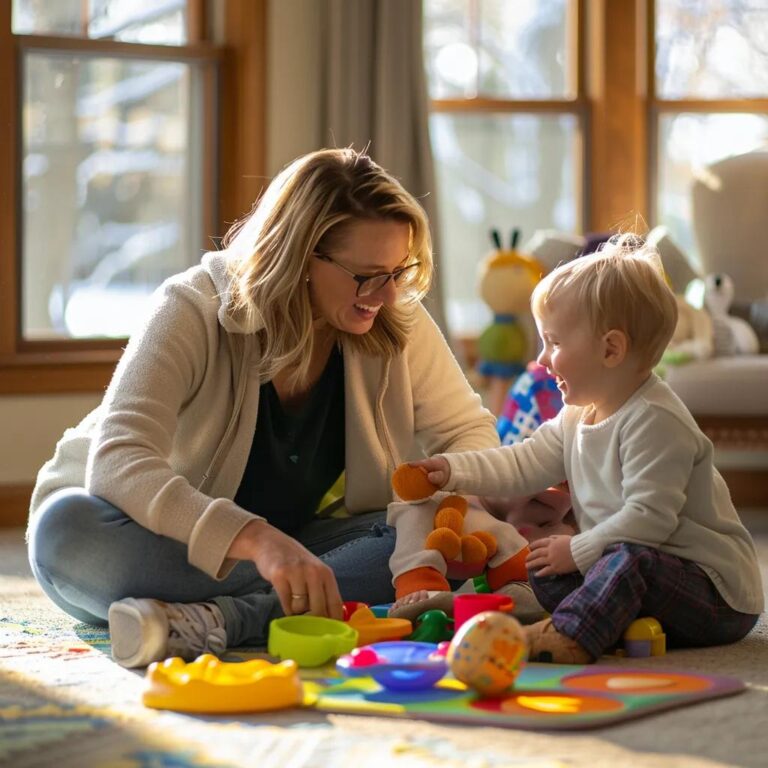




Ensure your child receives the best speech therapy assessment in Arkansas. Our expert team is dedicated to helping children communicate effectively.
Arkansas Pediatric Speech Therapy Assessment: Your Essential Guide to Understanding, Evaluating, and Supporting Your Child’s Communication Journey
Spotting speech and language concerns early can truly make a difference in your child’s learning adventure and how they connect with others. A pediatric speech therapy assessment is designed to understand how your child communicates, pinpoint specific challenges with speech sounds, understanding language, or even feeding, and then create a personalized plan to help them thrive. In this guide, we’ll walk you through what an assessment involves, the signs that suggest an evaluation might be beneficial, the step-by-step process right here in Arkansas, the powerful impact of early intervention, where to find local therapy options, and practical ways you can support your child’s progress at home.
What Is a Pediatric Speech Therapy Assessment and Why Is It Important in Arkansas?
A pediatric speech therapy assessment is a thorough evaluation that looks closely at a child’s speech, language, and feeding abilities to identify any communication disorders and guide the best path forward for intervention. By combining expert observation, proven assessment tools, and your valuable insights as a caregiver, this evaluation ensures we accurately identify issues with speech sounds, delays in understanding or using language, and difficulties with oral motor skills.
Key benefits of a pediatric speech therapy assessment include:
- Quickly identifying speech sound disorders for early support.
- Creating treatment plans tailored to your child’s unique communication style.
- Providing family-focused guidance to help you reinforce progress at home.
Getting an early assessment in Arkansas means tapping into local expertise and resources to ensure timely support, which helps children across our communities build stronger academic readiness and greater social confidence.
What Does a Pediatric Speech Therapy Assessment Involve?
A pediatric speech therapy assessment is typically broken down into specific evaluation components, each carefully designed to capture different aspects of a child’s communication abilities.
Components of a Pediatric Speech Therapy Assessment
A comprehensive pediatric speech therapy assessment usually includes several key parts, such as checking how clearly sounds are produced, testing language comprehension, looking at how a child expresses themselves, and examining oral motor skills. These components help us pinpoint specific communication challenges and shape a personalized treatment plan.
National Institute on Deafness and Other Communication Disorders (NIDCD), “Speech and Language Development”
| Evaluation Component | Assessment Focus | Expected Outcome |
|---|---|---|
| Articulation Screening | Clarity of consonant and vowel sounds | Identification of phoneme production errors |
| Language Comprehension Testing | Understanding of spoken instructions | Receptive language proficiency score |
| Expressive Language Tasks | Vocabulary use and sentence structure | Expressive language ability profile |
| Oral-Motor Examination | Strength and coordination of speech muscles | Diagnosis of feeding or swallowing challenges |
| Parent/Caregiver Interview | Developmental history and concerns | Contextual insights for targeted goals |
Each part of the assessment provides valuable data that contributes to a diagnostic report, which then guides the creation of a precise treatment plan perfectly suited to your child’s strengths and areas needing support.
Who Should Consider a Speech Therapy Assessment for Their Child?
Children who consistently show speech delays, have limited vocabulary growth, or experience feeding difficulties could greatly benefit from a professional evaluation. Parents, caregivers, and educators should consider an assessment when a child:
- Speaks with unclear pronunciation that seems beyond what’s typical for their age.
- Has trouble following simple directions or communicating basic needs.
- Shows frustration or avoids mealtimes due to issues with swallowing or chewing.
- Interacts less with peers due to communication challenges.
Recognizing these signs early helps families connect with the skilled specialists at tomorrowsslp.com, who provide expert pediatric care throughout Arkansas.
How Does Arkansas Expertise Enhance Pediatric Speech Evaluations?
Speech-language pathologists based in Arkansas utilize the latest standardized tools and draw upon deep community understanding to offer assessments that are culturally sensitive and effective. The advantages of local expertise include:
- Access to certified ASHA® professionals who are familiar with Arkansas educational standards.
- Collaboration with pediatric clinics and school districts across the region for smooth referral processes.
- Community-based teletherapy options that improve access, especially in rural areas.
By leveraging Arkansas expertise, we ensure every child receives an assessment grounded in local resources and best practices, paving the way for successful therapy outcomes.
What Are the Common Signs Your Child May Need a Speech Therapy Assessment?
Catching speech or language challenges early can significantly reduce their long-term impact on learning and social development. Parents should be aware of delays in key communication milestones that might signal the need for a more thorough evaluation.
What Speech and Language Delays Are Typical in Toddlers and Preschoolers?
- Not combining words into two-word phrases by age 2.
- Having fewer than 50 words in their vocabulary by 24 months.
- Being unable to answer simple “what” and “where” questions by age 3.
These developmental benchmarks help parents know when it’s time to seek a comprehensive assessment.
How Can Parents Recognize Articulation and Language Disorders Early?
- Frequently substituting or leaving out consonant sounds (e.g., saying “tat” for “cat”).
- Struggling to put words together into grammatically correct sentences.
- Showing frustration or withdrawing when trying to express their needs.
Seeking timely evaluation can clarify whether these patterns indicate a disorder or are simply part of typical developmental variations.
When Should You Seek Professional Evaluation for Feeding or Swallowing Concerns?
- Regularly choking or gagging during meals.
- Avoiding certain food textures or refusing solid foods beyond what’s expected for their age.
- Experiencing weight loss or growth concerns that might be linked to oral-motor difficulties.
A multidisciplinary evaluation ensures that both communication and feeding challenges are addressed thoroughly.
How Is the Pediatric Speech Therapy Assessment Process Conducted in Arkansas?
Our structured, step-by-step assessment process in Arkansas follows best-practice guidelines to provide accurate diagnoses and practical recommendations.
What Are the Key Steps in a Comprehensive Speech and Language Evaluation?
- Initial Consultation – We gather your child’s developmental history and your specific concerns.
- Standardized Testing – We administer age-appropriate, norm-referenced assessments.
- Clinical Observation – We observe your child’s spontaneous speech, play, and feeding behaviors.
- Data Analysis – We interpret scores and qualitative observations to identify strengths and areas needing support.
- Family Conference – We review the findings, explain the diagnosis, and outline personalized therapy goals together.
This clear sequence ensures you understand each phase and are an active partner in the decision-making process.
Which Diagnostic Tools and Standardized Tests Are Used?
Clinicians in Arkansas use validated measures to assess communication abilities and guide treatment planning.
| Test Name | Purpose | Result Interpretation |
|---|---|---|
| Preschool Language Scale (PLS-5) | Assesses receptive and expressive language skills | Provides a language age equivalent |
| Goldman-Fristoe Test of Articulation | Evaluates the accuracy of phoneme production | Identifies articulation error patterns |
| Clinical Feeding and Swallowing Evaluation | Observes oral-motor function during meals | Helps identify dysphagia risk |
Each tool provides objective data, helping to build a complete picture of your child’s communication and feeding skills.
How Can Parents Prepare Their Child for the Speech Assessment?
Preparing your child beforehand can help them feel more comfortable and cooperative during the evaluation:
- Explain in simple terms what will happen and introduce them to the testing environment.
- Read books or play games that focus on listening and following directions.
- Schedule the session for a time when your child is well-rested and has eaten, to help them engage best.
Familiarity with the process can reduce anxiety and allow your child to perform at their best.
What Are the Benefits of Early Intervention Speech Therapy for Children in Arkansas?
Starting early intervention maximizes your child’s developmental potential, building a stronger foundation for language and social confidence.
Beginning speech therapy promptly:
- Boosts both expressive and receptive communication skills.
- Helps build peer relationships through more effective social interactions.
- Reduces academic challenges by strengthening language readiness.
Benefits of Early Intervention in Speech Therapy
Early intervention in speech therapy can significantly enhance a child’s communication abilities, social interactions, and readiness for school. Children who receive therapy before age 3 often experience more rapid developmental progress and maintain these gains over time, leading to better overall outcomes in many areas of their lives.
American Speech-Language-Hearing Association (ASHA), “Early Intervention”
How Does Early Therapy Improve Communication and Social Skills?
- Expands vocabulary through engaging play-based language activities.
- Encourages turn-taking and eye contact during social interactions.
- Improves speech clarity, making communication easier for others to understand.
These foundational improvements foster greater self-esteem and encourage more active participation with peers.
What Long-Term Academic and Developmental Advantages Result from Early Intervention?
Children who receive early support tend to achieve:
- Better reading comprehension and literacy skills by the time they start school.
- Increased ability to pay attention and participate in classroom activities.
- Higher levels of self-regulation and confidence when tackling learning tasks.
Investing in early assessment and therapy provides lasting benefits that extend well into their academic journey.
How Does Early Speech Therapy Prevent Secondary Developmental Issues?
Addressing communication delays promptly helps reduce the risk of:
- Behavioral challenges that can arise from frustration or social isolation.
- Difficulties with reading that may be linked to underlying phonological processing issues.
- Emotional distress caused by misunderstandings with peers.
Taking a proactive approach equips children with effective tools to navigate both their educational and social worlds successfully.
What Pediatric Speech Therapy Services Are Available in Arkansas After Assessment?
After a thorough evaluation, families in Arkansas can access a full range of therapy services at tomorrowsslp.com, provided by certified professionals with specialized pediatric experience.
How Does Articulation and Phonological Therapy Help Children?
Articulation therapy focuses on improving precise sound production by:
- Guiding correct placement of the tongue, lips, and jaw.
- Using practice drills to reinforce accurate sound usage.
- Incorporating multisensory cues to support learning.
This structured approach helps correct speech sound errors and enhances overall intelligibility.
What Language Therapy Options Address Receptive and Expressive Delays?
Language therapy helps children improve comprehension and expression through:
- Interactive storytelling and question-and-answer activities.
- Games designed to expand vocabulary and integrate new words into daily life.
- Tasks focused on building sentences to increase grammatical complexity.
Customized plans help children better understand instructions and express their thoughts more clearly.
What Is Pediatric Feeding and Swallowing Therapy and Who Needs It?
Pediatric feeding and swallowing therapy supports children with oral-motor challenges by focusing on:
| Focus Area | Intervention Technique | Outcome |
|---|---|---|
| Oral-Motor Strength | Resistance exercises for lips and tongue | Improved chewing and swallowing ability |
| Sensory Processing | Desensitization techniques for textures | Broader acceptance of different foods |
| Feeding Coordination | Guided practice for spoon-to-mouth movements | Safer and more efficient eating |
Children who experience food aversions or difficulties can benefit from personalized strategies that improve nutrition and safety during meals.
How Is Speech Therapy Tailored for Children with Autism Spectrum Disorder in Arkansas?
Therapy for children on the autism spectrum is designed to leverage their individual strengths through:
- Visual supports and social stories to model conversational skills.
- Joint attention activities to foster back-and-forth communication.
- Structured routines that integrate communication goals into everyday life.
A collaborative, family-centered approach maximizes engagement and helps skills transfer to different settings.
How Can Parents Support Their Child’s Speech Development at Home in Arkansas?
Your active involvement at home can significantly boost therapy progress and encourage consistent development outside of clinic sessions.
What Are Effective At-Home Speech Therapy Activities for Toddlers and Kids?
You can reinforce skills through everyday interactions:
- Describe and narrate daily activities to provide rich language models.
- Play “I Spy” games to practice recognizing sounds and building vocabulary.
- Use picture cards to encourage naming, answering questions, and forming sentences.
Frequent, playful practice helps integrate communication goals into your family’s routines.
How Do You Find a Qualified Pediatric Speech Therapist in Arkansas?
Choosing the right specialist involves:
- Confirming their ASHA® certification and state licensure.
- Asking about their experience with your child’s specific age group and communication challenges.
- Considering teletherapy options for greater flexibility and remote access.
A thoughtful selection process ensures the therapist is a great fit for your child’s unique needs.
What Should Parents Know About Speech Therapy Costs and Insurance Coverage in Arkansas?
Understanding the financial aspects can help families plan effectively:
- Most private insurance plans cover diagnostic evaluations and therapy sessions with in-network providers.
- State-funded programs may offer financial assistance for eligible children.
- Out-of-pocket costs can vary based on the complexity of services and session frequency.
You can discuss estimated costs and available funding options directly with tomorrowsslp.com to create a manageable care plan.
What Are the Most Frequently Asked Questions About Pediatric Speech Therapy Assessment in Arkansas?
Parents often seek clarity on several key topics related to speech evaluations and therapy services:
- What are the signs of speech and language delays that indicate a professional assessment is needed?
- What are the typical costs, insurance coverage options, and available financial assistance programs?
- What are the roles and qualifications of a pediatric speech-language pathologist?
- What are practical ways to reinforce therapy exercises within daily routines at home?
Addressing these common questions helps families feel informed and confident as they pursue assessment and intervention for their child.
Identifying and addressing communication challenges early lays a strong foundation for long-term academic success and social engagement. By partnering with the expert team at tomorrowsslp.com, Arkansas families gain access to comprehensive assessments, personalized therapy services, and ongoing support to help each child thrive. Embrace the opportunity to empower your child’s voice through specialized pediatric speech therapy that combines clinical excellence with a compassionate, family-centered approach. To schedule a consultation or learn more about our services, reach out today and take the first step toward stronger communication skills.
Sign up for free class
It’s easy and free!