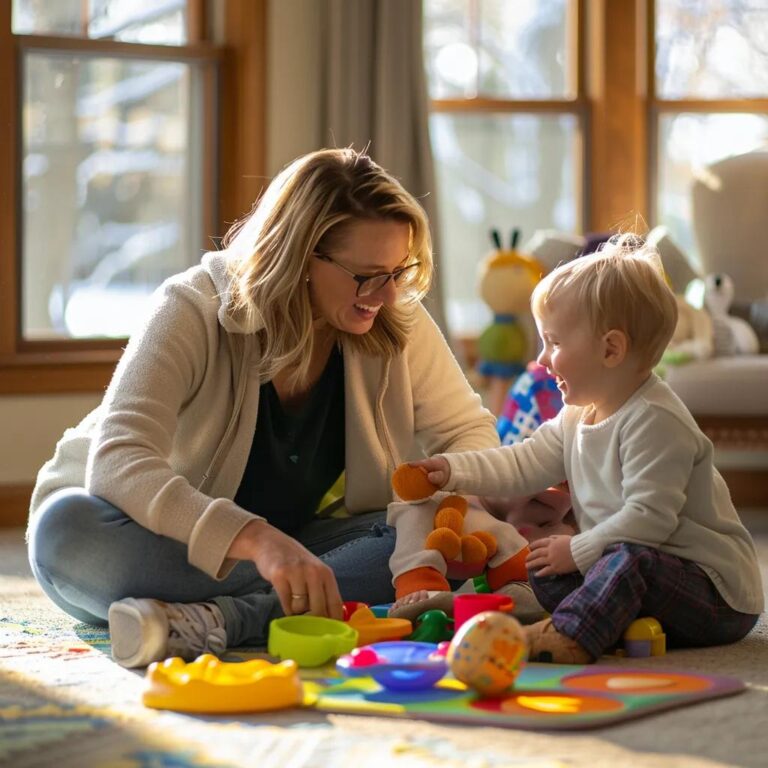




Unlock your child’s potential with expert Arkansas pediatric speech therapy services. Enhance communication skills and boost confidence for brighter futures.
Arkansas Pediatric Speech Therapy: Unlocking Your Child's Communication Potential
Did you know that up to 8 percent of children in Arkansas face early communication hurdles? Pediatric speech therapy offers a powerful, proven path to brighter expression, deeper social connections, and a stronger start in school. Let’s dive into what pediatric speech therapy involves, why getting started early in Arkansas makes such a difference, and how our licensed speech-language pathologists (SLPs) craft personalized, play-based support. You’ll learn about the key benefits for both spoken and unspoken communication, specialized services like feeding therapy and teletherapy, and how to spot delays, navigate insurance, and find the perfect provider. By the end, you’ll see how Arkansas pediatric speech therapy empowers families to nurture their child’s communication growth and build lasting confidence.
What Exactly Is Pediatric Speech Therapy and How Does It Benefit Arkansas Kids?
Pediatric speech therapy is a specialized medical service designed to enhance communication abilities. Through engaging, evidence-based exercises, we target speech sound clarity, language comprehension, smooth speech flow, vocal quality, and safe eating and swallowing. This therapy addresses developmental delays and strengthens the neural pathways crucial for both expressing oneself and understanding others, making a positive impact at home, school, and in social settings.
What Kinds of Challenges Does Pediatric Speech Therapy Address in Children?
- Articulation Disorders: When children have trouble producing specific speech sounds clearly.
- Language Disorders: Difficulties with vocabulary, sentence structure, or understanding language.
- Fluency Disorders: Such as stuttering, which affects the natural flow of speech.
- Voice Disorders: Issues related to pitch, loudness, or the overall quality of the voice.
- Feeding and Swallowing Disorders: Challenges with chewing, managing saliva, or swallowing safely.
These conditions often respond beautifully to focused therapy that incorporates repetition, expert modeling, and fun, interactive play, helping to build stronger pathways for clear and confident communication.
Why Is Early Intervention So Crucial for Speech and Language Development in Arkansas?
Early intervention taps into the incredible power of brain plasticity – children’s neural networks are incredibly adaptable, especially in the first five years. This means therapy is often most effective when started at a younger age. Recent data from Arkansas highlights that children receiving services before age three see approximately 70 percent greater improvements in articulation and vocabulary compared to those who start later. By identifying potential delays through regular pediatric check-ups, families can access vital pediatric speech therapy services in Arkansas, preventing future academic and social setbacks and setting the stage for lifelong communication success.
The Advantages of Starting Early
Beginning speech therapy early, particularly before a child turns three, can lead to remarkable progress in articulation and vocabulary development. Research consistently shows that children who receive services at a younger age experience more significant and lasting improvements than those who wait.
American Speech-Language-Hearing Association (ASHA), Early Intervention: What It Is and How It Works (2024)
This expert insight underscores the critical importance of early intervention in speech therapy for children throughout Arkansas.
How Do Our Speech-Language Pathologists (SLPs) Support Children's Communication Skills?
Our licensed SLPs are experts at creating personalized treatment plans. They carefully assess your child’s speech, language, cognitive-linguistic abilities, and feeding skills. Using engaging, play-based activities, storytelling, and empowering caregiver coaching, they work to:
- Stimulate the neural pathways essential for producing sounds.
- Expand both understanding and use of vocabulary.
- Practice fluency strategies in natural, everyday conversations.
- Strengthen oral motor skills for safe and efficient swallowing.
This professional expertise transforms early communication challenges into significant milestones of clarity, social connection, and self-advocacy, always celebrating each child’s unique strengths.
How Does Pediatric Speech Therapy Elevate Communication and Language Skills?
Pediatric speech therapy enhances communication by blending targeted exercises with practical, real-world application, boosting both verbal and non-verbal abilities crucial for effective interaction and connection.
How Does Therapy Enhance Both Verbal and Non-Verbal Communication?
Through focused articulation drills and engaging language-rich games, we help children speak more clearly and expand their sentence structures. At the same time, therapists teach vital non-verbal cues like eye contact, gestures, and facial expressions to support understanding and expression. By practicing these skills repeatedly in structured, fun activities, children learn to coordinate their speech muscles and social signals, building a strong foundation for natural, confident conversations.
In What Ways Does Speech Therapy Build Confidence and Social Skills in Children?
Structured group activities and role-playing scenarios are fantastic for fostering social communication and boosting self-esteem. When children successfully produce new sounds or confidently describe their experiences, their self-confidence soars. Practicing in safe, supportive environments creates positive feedback loops: improved skills lead to more social interactions, which in turn reinforce communication competence and strengthen peer relationships.
How Does Speech Therapy Support Academic Readiness and Literacy Development?
Strong oral language skills are the bedrock of reading and writing success. By enhancing vocabulary, phonological awareness, and sentence formulation, speech therapy significantly accelerates reading fluency and comprehension. Children who master sounds and sentence structure through therapy are better equipped to decode text, write clear sentences, and actively participate in classroom discussions, ultimately boosting their academic performance and setting them up for long-term success.
What Specialized Pediatric Speech Therapy Services Are Available Across Arkansas?
Arkansas pediatric speech therapy services offer a wide range of support, from thorough evaluations to convenient teletherapy, all tailored to meet your child’s unique developmental needs.
What Do Comprehensive Speech and Language Evaluations Involve?
Comprehensive evaluations are a deep dive into your child’s communication abilities. They include standardized assessments, detailed interviews with parents or caregivers, and observational play sessions to pinpoint both strengths and areas needing support. This thorough assessment creates a clear diagnostic profile and helps establish measurable goals, ensuring therapy targets the most impactful areas for your child’s progress.
How Are Individualized, Play-Based Therapy Approaches Utilized?
Our therapists expertly weave child-directed play—think puppets, interactive games, and engaging storytelling—into every session to keep children motivated and actively involved. This approach seamlessly blends proven therapeutic techniques with enjoyable interactions, allowing children to practice skills naturally, generalize their progress to everyday situations, and develop a positive association with therapy.
What Does Pediatric Feeding and Swallowing Therapy Cover?
Feeding therapy focuses on improving oral motor skills and ensuring safe swallowing. This is achieved through sensory-motor exercises, modeling healthy eating habits, and gradually introducing different food textures. Our therapists provide families with practical strategies to manage picky eating, enhance chewing strength, and prevent aspiration, supporting healthy nutritional growth and building confidence at mealtimes.
How Does Teletherapy Make Pediatric Speech Therapy More Accessible in Arkansas?
Teletherapy brings live, interactive speech therapy sessions directly to you via videoconference, utilizing engaging digital materials and activities. This service is a game-changer for families in rural or underserved areas, extending access to expert care. Virtual coaching empowers parents to reinforce techniques at home, while our SLPs monitor progress remotely, ensuring consistent, high-quality support without the need for travel.
How Are Parents Involved Through Coaching and Family-Centered Care?
Family-centered care means you are an integral part of your child’s therapy journey. Our SLPs provide ongoing parent coaching, teaching you effective techniques, communication strategies, and home-based activities that fit seamlessly into your daily routines. By equipping families with the right tools and knowledge, we ensure that progress continues long after therapy sessions end, strengthening both the therapy outcomes and your precious bond with your child.
How Can Parents Recognize If Their Child Might Need Pediatric Speech Therapy?
Understanding the early warning signs and knowing what to expect during the evaluation process can help Arkansas families seek the right support at the right time.
What Are Common Signs That Might Indicate Speech or Language Delays?
- Limited babbling or not using first words by 12 months of age.
- A vocabulary that seems smaller than expected for their age by 2–3 years old.
- Speech that remains difficult to understand as they get older, beyond the preschool years.
- A tendency to avoid social interactions or showing frustration when trying to communicate.
- Persistent drooling or noticeable difficulty with chewing.
If you notice these indicators, a professional speech-language screening is a valuable next step to confirm any underlying delays and begin targeted intervention.
What Does the Speech Therapy Evaluation Process Typically Involve?
Our evaluation process is designed to be thorough and informative:
- A detailed interview with you about your child’s developmental history.
- Standardized tests to assess articulation and language skills.
- A play-based observation to understand their communication in action.
- An examination of the oral mechanism to assess feeding and swallowing abilities.
- A comprehensive written report outlining findings, recommendations, and personalized goal-setting.
This structured approach ensures you gain a clear understanding of your child’s communication profile and receive a clear roadmap for therapy priorities.
How Can Arkansas Families Navigate Pediatric Speech Therapy Services Effectively?
We provide practical guidance on selecting the best providers, understanding funding options, and accessing valuable community resources to help you make informed decisions for your child.
How Do You Choose the Right Pediatric Speech Therapist in Arkansas?
- Verify state licensure and ASHA certification for quality assurance.
- Look for experience with your child’s specific challenges (e.g., apraxia, feeding issues).
- Prioritize therapists who use a play-based, family-centered approach.
- Read positive parent testimonials or case studies to gauge effectiveness.
- Consider the convenience of clinic locations or teletherapy options.
Focusing on these key criteria helps ensure a trusting professional relationship and a successful therapy journey for your child.
What Insurance and Funding Options Are Available for Speech Therapy?
- Coverage through private health insurance plans that include speech-language pathology benefits.
- Arkansas Medicaid’s Early and Periodic Screening, Diagnostic, and Treatment (EPSDT) program.
- The Arkansas ARKids First program for eligible children.
- School-based therapy services provided under the Individuals with Disabilities Education Act (IDEA) Part B.
- Utilizing Flexible Spending Accounts (FSAs) or exploring pediatric therapy grants.
Understanding these financial pathways can help remove barriers and ensure your child receives consistent, high-quality services.
Where Can Pediatric Speech Therapy Services Be Found in Northwest Arkansas?
Pediatric speech therapy services are readily available across Northwest Arkansas, including Bentonville, Rogers, Fayetteville, Springdale, and surrounding counties. Our network of clinics and teletherapy providers offers flexible appointment times, making it easier for families throughout the region to access the support they need without significant travel burdens.
What Resources and Support Are Available for Parents of Children with Communication Needs?
- Local support groups and playgroups specifically focused on language development.
- Informative workshops offering practical strategies for home-based communication practice.
- Online forums expertly moderated by SLPs, providing advice and a sense of community.
- Downloadable milestone charts and engaging activity guides for at-home practice.
- Referral networks connecting you with essential multidisciplinary services (like Occupational Therapy, Physical Therapy, and Behavioral Therapy).
These resources are designed to empower you to reinforce therapy goals at home and connect with other families navigating similar journeys.
What Are the Long-Term Benefits of Pediatric Speech Therapy for Arkansas Children?
Early and consistent therapy provides enduring advantages that significantly shape a child’s developmental path and future success.
How Does Early Speech Therapy Improve the Attainment of Developmental Milestones?
Intervention before the age of five can accelerate the achievement of crucial milestones in speech, language, and cognitive development. Children are better able to develop age-appropriate sounds, sentence structures, and comprehension skills earlier, building a strong foundation for acquiring new knowledge and engaging socially.
In What Ways Does Therapy Enhance Children’s Confidence and Social Interaction?
As children’s communication skills blossom, they naturally become more engaged in playdates, classroom discussions, and family activities. This growing social confidence builds resilience, reduces frustration, and fosters positive peer relationships, contributing significantly to their overall emotional well-being.
How Does Improved Communication Support Academic and Life Success?
Proficient language skills are directly linked to stronger reading abilities, enhanced critical thinking, and the development of self-advocacy. Effective communicators are better equipped to manage classroom tasks, build meaningful friendships, and assertively express their needs—qualities that continue to support career opportunities, fulfilling interpersonal relationships, and a lifetime of learning.
Frequently Asked Questions About Arkansas Pediatric Speech Therapy
This section aims to clarify common questions and provide insights into the benefits, timing, and professional roles involved in pediatric speech therapy.
What Are the Benefits of Speech Therapy for Children with Developmental Delays?
Speech therapy offers a structured, expert-guided approach to building vocabulary, refining articulation, and enhancing social language skills. By addressing delays early, children gain essential tools to interact confidently, reducing frustration and laying a strong foundation for academic readiness.
Key Benefits of Speech Therapy
Speech therapy provides a structured approach to building vocabulary, improving articulation, and enhancing social language skills. By addressing delays early, children gain tools to interact confidently, reducing frustration and supporting academic readiness.
National Institute on Deafness and Other Communication Disorders (NIDCD), Speech and Language Development (2023)
This valuable resource reinforces the significant benefits of speech therapy for children experiencing developmental delays.
How Does Speech Therapy Help Build Confidence in Children?
Through successful practice and mastery of new sounds, phrases, and conversational skills, children experience positive reinforcement and a profound sense of achievement. This growing confidence in their ability to communicate effectively boosts self-esteem and encourages continued engagement in social activities.
When Is the Right Time for a Child to Start Speech Therapy?
The ideal time to begin therapy is as soon as any speech or language delays are identified. For early concerns, this often falls between 18 and 36 months. Prompt assessment and intervention capitalize on critical periods of neural development, maximizing the potential for long-term gains.
What Conditions Does Speech Therapy Address in Children?
Our licensed SLPs are equipped to treat a range of conditions, including articulation disorders, expressive and receptive language delays, fluency interruptions (like stuttering), voice quality issues, and feeding/swallowing challenges. Each condition is addressed with targeted strategies designed to improve function and foster communication confidence.
What Does a Speech-Language Pathologist (SLP) Do?
A speech-language pathologist is a trained professional who evaluates communication and feeding skills, develops personalized treatment plans, and implements evidence-based therapy techniques. SLPs also provide crucial coaching for families, collaborate effectively with educators, and closely monitor progress to ensure lasting improvements in a child’s ability to communicate and thrive.
Embarking on early communication intervention can truly transform a child’s world, enhancing their clarity, confidence, and readiness for academic success. Arkansas pediatric speech therapy services provide expert care through comprehensive assessment, engaging play-based techniques, specialized feeding support, and accessible teletherapy, all built upon a foundation of strong family partnerships. If you’ve noticed potential speech or language delays in your child, reach out to us today. Discover how the licensed speech-language pathologists at Tomorrow’s SLP can guide your family toward stronger communication skills, greater confidence, and enduring success.
Sign up for free class
It’s easy and free!