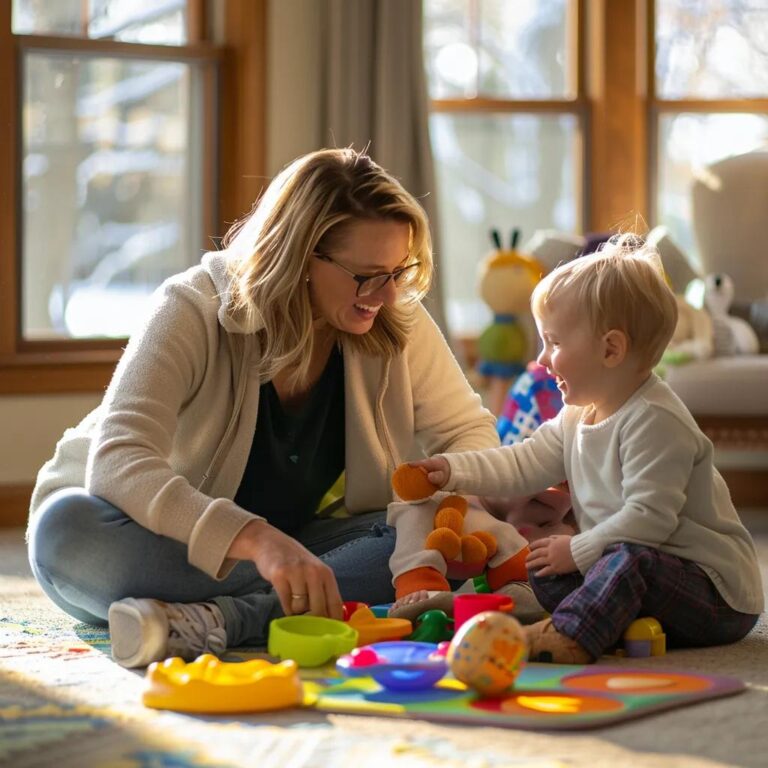




Unlock the proven benefits of pediatric speech therapy in Arkansas. Enhance communication skills and boost confidence in children, paving the way for success.
Arkansas Pediatric Speech Therapy: Proven Benefits and Comprehensive Services
Pediatric speech therapy in Arkansas empowers thousands of children annually to unlock their communication potential by refining speech clarity, enhancing language comprehension, and improving feeding skills. In this guide, you’ll discover how expert speech-language pathology services from qualified professionals foster early development, address a wide array of communication challenges, and support feeding and swallowing difficulties. We’ll delve into the proven advantages of early intervention, detail the specific disorders treated by Arkansas pediatric SLPs, outline effective feeding therapy approaches, offer guidance on selecting the right therapist, clarify Medicaid and insurance coverage, and address common parental concerns. By understanding these key aspects, families can confidently pursue improved outcomes and richer daily interactions.
What is Pediatric Speech Therapy and How Does It Benefit Children in Arkansas?
Pediatric speech therapy is a specialized medical service where speech-language pathologists (SLPs) assess and treat communication and feeding disorders in children. Through a combination of thorough assessment, tailored therapy techniques, and dedicated family coaching, these professionals significantly enhance speech clarity, language abilities, and oral motor function. This comprehensive approach forms the bedrock for all subsequent areas of care discussed throughout this article.
Who Are Speech-Language Pathologists and What Services Do They Offer?
Speech-language pathologists (SLPs) are licensed medical professionals skilled in diagnosing and treating disorders related to speech, language, voice, fluency, feeding, and swallowing in children. They meticulously evaluate articulation precision, receptive and expressive language skills, social communication, and oral motor coordination. Utilizing play-based activities, structured exercises, and essential caregiver training, SLPs champion language development milestones and equip children with effective communication tools. Close collaboration with parents and educators ensures that learned skills are seamlessly transferred across home, school, and community settings, creating a continuous progression of progress that naturally leads to the targeted benefits explored in the following sections.
Which Communication Disorders Does Pediatric Speech Therapy Address?

Speech therapy in Arkansas tackles a broad spectrum of communication disorders that can impede effective expression and comprehension. These conditions encompass articulation delays, phonological disorders, language delays, stuttering, voice disorders, and social communication challenges.
| Communication Disorder | Key Characteristic | Therapy Focus |
|---|---|---|
| Articulation and Phonological | Difficulty producing specific speech sounds accurately. | Correct sound placement, phoneme discrimination practice. |
| Receptive and Expressive Language | Limited understanding or use of vocabulary and grammar. | Vocabulary expansion, sentence structure development. |
| Fluency (Stuttering) | Disruptions in speech flow, often marked by repetitions or prolongations. | Fluency-shaping strategies, breath control techniques. |
| Voice Disorders | Issues with vocal quality, such as hoarseness or breathiness. | Vocal hygiene practices, pitch and resonance adjustments. |
| Social Communication (ASD) | Challenges with pragmatic language use and understanding nonverbal cues. | Developing social scripts, practicing turn-taking. |
Each disorder profile informs a structured therapy plan, prioritizing the development of clear communication before progressing to feeding and swallowing applications.
How Does Pediatric Speech Therapy Support Children with Feeding and Swallowing Disorders?

Pediatric feeding and swallowing therapy integrates targeted oral motor exercises, sensory modulation techniques, and essential caregiver coaching to address challenges like dysphagia, picky eating, and tube weaning. By strengthening lip closure, improving tongue coordination, and establishing safe swallowing patterns, SLPs effectively reduce aspiration risks and broaden children’s acceptance of various foods. This therapeutic focus seamlessly extends communication improvements into vital daily routines, fostering nutritional independence and building confidence around mealtimes.
What Are the Proven Benefits of Early Intervention Speech Therapy in Arkansas?
Early intervention speech therapy combines prompt identification with precisely targeted services to maximize developmental progress from infancy through the preschool years. By intervening during the critical window of rapid neural plasticity, early support accelerates the development of foundational skills essential for future academic and social success.
American Speech-Language-Hearing Association, Early Intervention: What It Is and How It Works (2023)
Why Is Early Intervention Crucial for Infants and Toddlers?
Early intervention leverages the brain’s remarkable malleability between birth and age three, a period when neural networks form at their fastest pace. By identifying speech or language delays early on, therapists can implement personalized strategies that proactively prevent the emergence of secondary academic or behavioral difficulties. Engaging families through structured family service plans encourages consistent practice and supports lasting gains in communication competence, establishing a strong foundation for broader developmental achievements.
How Does Early Speech Therapy Enhance Communication and Social Skills?
Early speech therapy significantly boosts word acquisition, sentence formulation, and conversational turn-taking through the use of multi-sensory play, expert modeling, and positive reinforcement. These approaches strengthen both receptive understanding and expressive clarity, empowering toddlers to effectively express their needs, share their ideas, and engage more readily with peers. Enhanced social communication skills foster improved interactions in preschool and community settings, reinforcing positive peer relationships that extend into structured learning environments.
What Long-Term Academic and Behavioral Benefits Stem from Early Therapy?
Intervention provided before the age of three has been demonstrably linked to a reduced need for later special education services and improved reading readiness through the development of phonological awareness. Children who receive early therapy often exhibit stronger classroom participation, experience fewer frustration-related behaviors, and demonstrate improved attention spans. By addressing developmental delays proactively, families witness enduring benefits in literacy milestones, peer collaboration, and self-regulation, all of which significantly shape educational success and overall emotional well-being.
How Does Arkansas First Connections Support Early Intervention Services?
Arkansas First Connections plays a vital role in coordinating state-funded early intervention services, encompassing assessment, the development of individualized family service plans (IFSPs), and the delivery of therapy. This program provides coverage for eligible infants and toddlers up to age three, offering in-home and clinic-based therapy at no cost. By partnering with local SLPs, First Connections ensures timely access to evaluations, goal-oriented therapy sessions, and essential caregiver coaching, effectively connecting families with broader medical and educational support systems.
Which Communication Disorders in Children Does Arkansas Pediatric Speech Therapy Address?
Arkansas pediatric speech therapy offers comprehensive treatment for core communication challenges, ranging from articulation errors to complex motor planning deficits. Each disorder is addressed with evidence-based protocols meticulously tailored to the child’s age, cognitive abilities, and family priorities.
How Are Articulation and Phonological Disorders Treated?
Articulation and phonological disorders respond effectively to targeted sound production exercises, auditory discrimination drills, and motor planning tasks. Therapy sessions skillfully blend visual cues, tactile feedback, and repetitive practice to establish accurate phoneme formation. Parents are equipped with home-based activities designed to reinforce correct sound production and promote carryover into spontaneous speech.
What Are Language Delays and How Are They Managed?
Language delays involve difficulties in understanding or using vocabulary and grammar. Management strategies include engaging vocabulary-building games, structured storytelling activities, and sentence expansion exercises. SLPs employ focused stimulation and modeling techniques, pairing new words with gestures, pictures, and real-life contexts to deepen comprehension and enhance expressive skills.
How Is Stuttering and Fluency Therapy Provided?
Fluency therapy utilizes proven strategies such as slowed speech models, gentle speech onsets, and controlled breathing techniques. Clinicians guide children through graded practice tasks, gradually increasing conversational complexity. Parent education focuses on creating supportive communication environments that reduce speaking pressure and promote natural speech fluency.
What Speech Therapy Approaches Benefit Children with Autism Spectrum Disorder?
Children on the autism spectrum benefit significantly from social communication interventions that integrate pragmatic language training, visual supports, and structured peer interactions. Therapists employ social scripts, video modeling, and role-playing to teach essential skills like topic initiation, conversational repair, and the understanding of nonverbal cues. These methods are highly effective in strengthening peer engagement and fostering adaptive social behaviors.
National Institute on Deafness and Other Communication Disorders, Autism and Communication (2023)
How Does Therapy Address Childhood Apraxia of Speech and Voice Disorders?
Childhood apraxia of speech is treated using motor planning protocols, such as Dynamic Temporal and Tactile Cueing (DTTC), which emphasize practiced sequences of syllables and words. Voice disorders are addressed through vocal function exercises, resonance therapy, and hydration strategies aimed at improving vocal fold closure and resonance. These targeted protocols work to restore intelligible speech and balanced vocal quality.
How Does Pediatric Feeding and Swallowing Therapy Benefit Children in Arkansas?
Feeding and swallowing therapy provides systematic techniques designed to enhance both the safety and enjoyment of mealtimes. Strategies focus on improving oral motor control, increasing sensory tolerance, and implementing adaptive feeding practices to establish sustainable eating patterns.
What Is Dysphagia and How Is It Diagnosed in Children?
Dysphagia refers to unsafe swallowing patterns that carry a risk of aspiration or inadequate nutrition. Diagnosis typically involves clinical feeding evaluations, instrumental assessments like modified barium swallow studies, and sensory testing. SLPs interpret these findings to develop individualized therapy plans that promote safe swallowing mechanics.
Which Oral Motor Therapy Techniques Improve Feeding Skills?
Oral motor therapy employs specific exercises to strengthen jaw stability, lip closure, tongue elevation, and cheek support. Techniques such as cheek stroking, tongue sweeps, and jaw vibration target particular muscle groups to enhance oral motor function.
| Therapy Technique | Targeted Skill | Evidence of Benefit |
|---|---|---|
| Tongue Elevation Exercises | Bolus formation and manipulation. | Improved chewing efficiency and swallow safety. |
| Lip Closure Drills | Achieving a secure lip seal for liquids. | Reduced drooling and spillage during drinking. |
| Cheek Stroking | Developing lateral tongue control for food management. | Enhanced ability to move food within the mouth. |
These techniques are instrumental in advancing feeding competence and preparing children to handle a wider variety of food textures.
How Can Therapy Help Picky Eaters and Address Feeding Challenges?
Through gradual exposure, sensory play, and positive reinforcement, therapists effectively expand food acceptance by encouraging multi-sensory exploration. Families receive structured meal plans and stepwise progression charts to guide the introduction of new tastes, textures, and temperatures. This systematic approach builds confidence and reduces mealtime anxiety, ultimately leading to more varied and balanced diets.
How Do Speech-Language Pathologists Collaborate with Other Specialists?
SLPs actively partner with occupational therapists for sensory integration strategies, dietitians for nutritional management, and pediatricians for essential medical oversight. This multidisciplinary collaboration ensures holistic care, aligning feeding goals with overall developmental strategies and crucial medical recommendations.
How Can Parents Find and Choose a Pediatric Speech Therapist in Little Rock and Arkansas?
Selecting the right therapist involves understanding the evaluation process, the creation of individualized plans, and the availability of services across different regions.
What Should Parents Expect During a Speech Therapy Evaluation?
A comprehensive evaluation begins with detailed parent interviews to gather developmental history, followed by standardized assessments of speech sounds, language comprehension, and oral motor skills. Therapists carefully observe play interactions and may utilize informal probes. The results of these assessments are used to establish clear goals and recommend appropriate therapy frequency, providing a precise roadmap for progress.
How Does Tomorrow’s SLP Personalize Therapy Plans for Each Child?
Tomorrow’s SLP develops family-centered plans by integrating evidence-based techniques with each child’s unique interests, strengths, and cultural background. Through collaborative goal prioritization, engaging play-based activities, and practical home practice routines, therapists involve both children and caregivers in a partnership that ensures meaningful and functional outcomes.
What Are Success Stories and Testimonials from Arkansas Families?
Parents consistently share their increased confidence as they witness their children achieve clearer speech, smoother mealtimes, and enhanced social interactions. One family shared that weekly therapy sessions enabled their preschooler to progress from using single words to speaking in full sentences within just six months, dramatically transforming their classroom participation and peer interactions.
Which Arkansas Cities and Regions Are Served by Pediatric Speech Therapists?
Pediatric speech services in Arkansas are available across urban and rural areas, including Little Rock, Fayetteville, Jonesboro, Pine Bluff, and surrounding counties. Mobile clinics and virtual teletherapy sessions extend access to families throughout Northwest Arkansas, Central Arkansas, and the Delta region.
What Does Arkansas Medicaid and Insurance Cover for Pediatric Speech Therapy?
Understanding available funding sources is crucial for ensuring families can secure the necessary services without facing financial obstacles.
How Does Arkansas Medicaid Support Speech Therapy for Children?
Arkansas Medicaid provides coverage for speech therapy services for eligible children under 21 years of age, requiring a physician’s referral. Coverage includes evaluations, individual and group therapy sessions, and feeding assessments. Authorization for services is granted based on documented medical necessity.
What Is ARKids First and How Does It Help Families Access Therapy?
ARKids First offers two distinct plans—ARKids First A (Medicaid) and ARKids First B (SCHIP)—both of which cover speech services for qualifying children. These programs simplify access by reducing out-of-pocket expenses and streamlining referral processes, ensuring timely initiation of therapy.
What Are the Steps for Physician Referrals and Prescriptions?
Families should begin by discussing their concerns with a pediatrician or family physician, who will then complete a referral form. The SLP conducts a thorough evaluation and submits the necessary documentation to Medicaid or ARKids First for authorization. Therapy can commence once approval is received, typically within two to four weeks.
How Can Families Navigate Insurance and Payment Options?
When working with a certified SLP team, parents receive detailed guidance on managing insurance claims, understanding co-payment obligations, and exploring alternative funding options such as private pay plans or scholarship programs. Transparent financial counseling ensures clarity and helps prevent unexpected costs.
What Are the Most Common Questions About Pediatric Speech Therapy in Arkansas?
Families frequently seek clarification on signs indicating a need for therapy, the optimal timing for intervention, different service delivery methods, typical therapy duration, and effective home support strategies. Addressing each of these inquiries empowers informed decision-making for optimal therapy engagement.
How Do I Know If My Child Needs Speech Therapy?
A child might benefit from speech therapy if they consistently struggle to pronounce sounds correctly, have a vocabulary that seems limited for their age, tend to avoid eye contact during conversations, or exhibit difficulties with chewing and swallowing. Early identification is key to preventing secondary challenges and supporting smoother developmental progress.
What Age Is Best for Speech Therapy to Be Most Effective?
Therapy delivered between the ages of two and five is particularly effective, capitalizing on the rapid language acquisition period and the brain’s neuroplasticity. Intervention provided before age three often leads to the greatest reduction in long-term support needs, while the preschool years remain an ideal time for advancing complex language skills.
Can Teletherapy Be Used for Pediatric Speech Services in Arkansas?
Absolutely. Teletherapy offers live, interactive sessions conducted via secure video platforms. This modality significantly expands access for families in rural areas, ensures continuity of care during health-related disruptions, and maintains high levels of engagement through digital materials and direct caregiver coaching.
How Long Does Pediatric Speech Therapy Usually Take?
The duration of therapy varies depending on the severity of the disorder and the individual child’s response, ranging from approximately three months for mild articulation errors to potentially two years for complex motor planning disorders. Regular progress monitoring allows for timely adjustments to therapy frequency and techniques, ensuring efficient achievement of goals.
How Can Families Support Speech Therapy Progress at Home?
Families can significantly reinforce therapy gains by integrating practice into daily routines—such as during mealtimes, reading aloud sessions, singing songs, and playing sound-focused games. Providing consistent, positive feedback and engaging in structured practice sessions empowers children to generalize their skills across different environments, driving sustained improvement.
Children who actively participate in both therapy sessions and supported home practice consistently demonstrate stronger outcomes, building a robust foundation for clear communication, confident social interactions, and readiness for academic success.
Sign up for free class
It’s easy and free!