





Gain insights into speech therapy evaluations in Arkansas. Learn about the process, benefits, and outcomes to help improve communication skills effectively.
Arkansas Speech Therapy Evaluations: What to Expect at Tomorrow’s SLP
A thorough speech therapy evaluation in Arkansas uncovers the roots of communication challenges for children and adults, providing a clear diagnosis and tailored roadmap to improvement. At Tomorrow’s SLP, our ASHA-certified specialists combine evidence-based standardized testing with compassionate clinical observation to measure articulation, language comprehension, fluency, feeding, and swallowing function. In this guide, you’ll learn:
- Why evaluations are critical and how early intervention shapes outcomes
- Exactly what happens during your appointment—step by step
- Transparent information on costs, insurance, and Medicaid coverage
- How our expert team’s certifications and patient-centered approach deliver personalized care
- Practical tips to prepare, support, and follow up on your first visit
By the end, you’ll understand every phase of the evaluation process, know how to navigate payment options in Arkansas, and feel confident contacting Tomorrow’s SLP for your consultation.
Why Is a Speech Therapy Evaluation Essential in Arkansas?
A speech therapy evaluation is a diagnostic procedure that identifies communication or swallowing disorders early and accurately. It determines whether a child or adult meets developmental milestones or requires specialized treatment, and confirms medical necessity for insurance coverage. In Arkansas, timely assessments align with state Medicaid guidelines to secure therapy services.
Speech Therapy Evaluation Importance
Speech and language evaluations are essential for determining if speech therapy is needed and for identifying specific diagnoses [14]. Evaluations provide baseline data to measure progress with therapy [14].
Anna Ollinger Speech Therapy, What is a speech and language evaluation? (2021)
This source supports the article’s emphasis on the importance of speech therapy evaluations in identifying communication disorders and guiding treatment.
Evaluations prevent delays from compounding, and they empower families and individuals with clear data on strengths and areas for growth. As diagnostic procedures, they also guide referrals to audiology, neurology, or feeding specialists when indicated. Recognizing these benefits establishes a solid foundation for effective intervention.
What Are the Common Signs That Indicate the Need for an Evaluation?
Below is a list of typical indicators across ages that signal when to seek a speech-language pathology assessment. These signs help families and providers decide if a diagnostic evaluation is warranted.
- Delayed babbling or first words beyond 15 months
- Limited vocabulary compared with same-age peers
- Frequent mispronunciations that impede understanding
- Stuttering, word repetitions, or prolongations
- Difficulty following simple directions or answering questions
- Coughing, choking, or discomfort while eating or drinking
- Slurred speech or changes in voice quality after illness
These markers guide parents, pediatricians, and adults to consider a comprehensive evaluation. Early recognition leads directly into the assessment process at Tomorrow’s SLP.
How Does Early Intervention Improve Communication Outcomes?

Early intervention accelerates progress by addressing underlying impairments at peak neuroplasticity. Timely therapy has been shown to improve language development by up to 40%, reducing long-term reliance on support services. When children begin speech therapy before age three, they achieve communication milestones closer to peers, while adult stroke survivors who start rehabilitation within the first month often regain 50–70% of pre-stroke speech function.
| Benefit | Mechanism | Evidence |
|---|---|---|
| Accelerated language growth | Neuroplastic adaptation | 40% faster milestone attainment in toddlers |
| Enhanced fluency | Targeted fluency shaping | 50% reduction in stuttering severity |
| Improved swallowing safety | Strengthening oropharyngeal muscles | 65% fewer aspiration incidents post-stroke |
These outcomes underscore how early intervention drives functional gains, setting the stage for our next discussion on specific disorders diagnosed through evaluations.
Early Intervention Benefits
Early intervention in speech pathology can improve outcomes and prevent the development of secondary issues, such as poor academic performance and social isolation [5, 8, 10, 11, 12]. Early intervention is also more cost-effective than delayed intervention [5].
Wooster Community Hospital, The Importance of Early Intervention in Speech Pathology (2024)
This source emphasizes the importance of early intervention in speech pathology and its benefits, which aligns with the article’s discussion of early intervention and its positive impact on communication outcomes.
Which Communication Disorders Are Diagnosed Through Evaluations?
A comprehensive speech therapy evaluation identifies a range of communication and swallowing disorders. Our specialists diagnose conditions based on standardized tests and clinical observation, ensuring the right therapy follows.
| Condition | Primary Feature | Typical Assessment Tool |
|---|---|---|
| Articulation Disorder | Sound production errors | Goldman-Fristoe Test of Articulation 3 |
| Language Delay/Disorder | Receptive or expressive language gaps | CELF-5 (Clinical Evaluation of Language Fundamentals) |
| Stuttering (Fluency) | Disruptions in speech flow | SSI-4 (Stuttering Severity Instrument) |
| Dysphagia (Swallowing) | Difficulty swallowing safely | MBSImP (Modified Barium Swallow Impairment Profile) |
Assessing these disorders informs a targeted treatment plan and aligns with Arkansas Medicaid’s requirement for documented medical necessity.
What Happens During the Speech Therapy Evaluation Process at Tomorrow’s SLP?
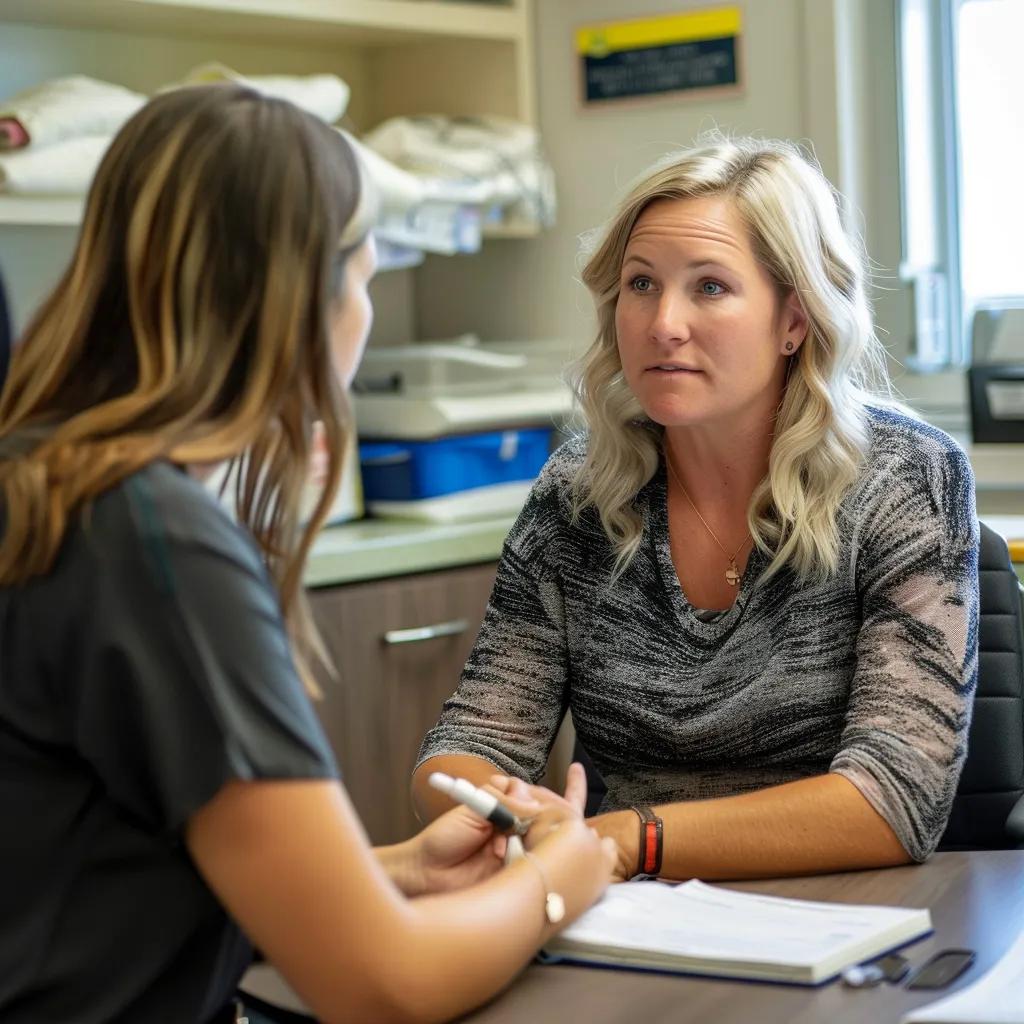
Tomorrow’s SLP designs each evaluation as a structured yet supportive experience. We begin with an in-depth consultation to understand your history and goals, followed by formal and informal assessments that measure communication skills. Every step integrates parent or patient involvement, ensuring transparent collaboration and clear next steps.
How Is the Initial Consultation and Intake Conducted?
During intake, your Speech-Language Pathologist reviews medical history, developmental milestones, educational records, and any prior testing. This face-to-face or telehealth conversation lasts about 20–30 minutes and establishes rapport. Parents or adult patients share concerns, complete standardized intake forms, and learn about Tomorrow’s SLP’s patient-centered policies. Gathering this background ensures assessments address each individual’s unique profile and context.
What Are the Key Components of a Comprehensive Assessment?
Assessments combine objective measures with observational data. Our evaluation features:
- Standardized Tests tailored to age and suspected disorder
- Case History Review encompassing developmental, medical, and educational factors
- Clinical Observations of spontaneous speech, play (pediatric), or conversation (adult)
- Functional Feeding/Swallowing Trials when dysphagia concerns arise
These components create a holistic profile of communication strengths and challenges. Understanding both quantitative scores and real-life performance leads into recommendations for targeted therapy.
How Are Parents Involved During Pediatric Evaluations?
Parents actively participate by sharing developmental history, observing play-based tasks, and practicing communication activities alongside the clinician. Their involvement provides critical context for functional communication in daily routines. Engaging caregivers from the outset promotes consistent carry-over of strategies at home, enhancing therapy effectiveness and building a collaborative support network.
What Should Adult Patients Expect During Their Evaluation?
Adult evaluations focus on conversational speech, comprehension tasks, and, when needed, cognitive-communication screens. Patients participate in structured tests like the Western Aphasia Battery, complete brief self-reports on functional difficulties, and discuss personal goals such as returning to work or social activities. This patient-centered approach respects adult autonomy while targeting specific neurological or degenerative conditions.
How Are Results Communicated and What Are the Next Steps?
Within one week, clients receive a written report summarizing test scores, diagnostic impressions, and recommended therapy targets. Your SLP reviews results in a follow-up meeting, explains insurance authorizations, and collaborates on scheduling personalized treatment sessions. If additional referrals are indicated—such as audiology, otolaryngology, or feeding specialists—Tomorrow’s SLP coordinates those connections to ensure seamless care.
What Are Private Pay Options and Payment Transparency?
For clients without insurance or seeking direct-pay convenience, Tomorrow’s SLP offers competitive self-pay rates and package discounts. We provide detailed invoices with PriceSpecification schema, listing service descriptions, session lengths, and per-unit fees. Flexible payment plans are available to accommodate family budgets and adult patient preferences.
How Does Arkansas Medicaid Cover Speech Therapy Evaluations?
Arkansas Medicaid covers speech-language evaluations when ordered by an authorized provider and when medical necessity is documented by standardized test results. Our reports align with DHS guidelines, using ICD-10 diagnostic codes and ASHA-approved assessment tools to verify eligibility for subsequent therapy services under the state plan.
Arkansas Medicaid Coverage
Arkansas Medicaid covers speech therapy for individuals under 21 in the Child Health Services (EPSDT) Program [2, 6, 15, 18]. Therapy services for those 21 and older are covered only through specific Medicaid programs and may have more limited coverage [6, 15, 18].
Arkansas Department of Human Services, Therapy Services (2018)
This source provides information on Arkansas Medicaid coverage for speech therapy, which is directly relevant to the article’s discussion of payment options and insurance coverage.
Who Are the Expert Speech-Language Pathologists at Tomorrow’s SLP?
Tomorrow’s SLP’s team consists of licensed, ASHA-certified Speech-Language Pathologists and specialists in pediatric, adult, and dysphagia therapy. Each SLP maintains active continuing education, upholds evidence-based practices, and is committed to patient-centered care. Their combined expertise spans language development, fluency, cognition, feeding/swallowing, and voice disorders.
What Qualifications and Certifications Do Our SLPs Hold?
- Certificate of Clinical Competence (CCC-SLP) from ASHA
- Master’s or Doctoral degrees in Speech-Language Pathology
- Specialized training in dysphagia (FEES/MBSImP)
- Advanced coursework in neurological rehabilitation (stroke, Parkinson’s, aphasia)
How Does Our Team Provide Personalized, Patient-Centered Care?
Our patient-centered model emphasizes shared decision-making, respects individual goals, and adapts therapy to daily routines and cultural contexts. Regular progress reviews and caregiver training foster active participation, while telehealth options increase access for rural Arkansas families. This holistic approach promotes ownership, adherence, and measurable gains.
Where Can You Learn More About Our Therapists?
Detailed bios, professional interests, and continuing education highlights are available on our “Meet Our Team” page. You can explore each SLP’s specialties, view credentials, and read testimonials illustrating real-life success stories. These profiles reinforce transparency and guide you to the right specialist for your unique needs.
What Are Frequently Asked Questions About Speech Therapy Evaluations in Arkansas?
Families and adults often wonder about timing, duration, and assessment tools. Common topics include evaluation length (typically 60–90 minutes), the types of standardized tests used, signs warranting evaluation, the referral process through pediatricians or self-referral, and insurance coverage specifics. Understanding these points helps clients plan appointments, gather necessary documents, and set realistic expectations for outcomes.
How Does Tomorrow’s SLP Support Pediatric and Adult Speech Therapy Needs?
Beyond evaluations, Tomorrow’s SLP offers a full spectrum of therapy services tailored to life stage and condition. Pediatric interventions focus on play-based language stimulation, articulation drills, and feeding support, while adult services address neurological recovery, voice rehabilitation, and cognitive-communication training. Our coordinated care ensures seamless progression from diagnosis to measurable improvement.
What Should Parents Know About Pediatric Speech Evaluations?
Parents should expect collaborative, engaging sessions that incorporate favorite toys or games to elicit speech samples naturally. Our clinicians explain each activity’s purpose, demonstrate home strategies, and encourage parent-child interaction. This participatory model empowers families and accelerates skill generalization in daily life.
How Are Adult Speech Therapy Assessments Tailored to Neurological Conditions?
Adult evaluations adapt standardized tools like the Western Aphasia Battery and cognitive screens to each neurological profile. Therapy goals align with personal priorities—returning to work, improving social interaction, or safe swallowing. Clinicians incorporate task-specific training, cueing hierarchies, and technology-assisted practice to restore communication and functional independence.
What Therapy Services Follow an Evaluation?
| Service | Focus Area | Typical Goal |
|---|---|---|
| Articulation Therapy | Speech sound production | Clearer consonant and vowel sounds |
| Language Development | Receptive/expressive skills | Expanding vocabulary and comprehension |
| Fluency Shaping | Stuttering reduction | Smooth, confident speech fluency |
| Feeding & Swallowing | Oro-pharyngeal strength and safety | Safe and efficient nutrition intake |
| Voice Therapy | Vocal quality and endurance | Healthy, sustainable voice production |
How Can You Prepare for Your Speech Therapy Evaluation at Tomorrow’s SLP?
Proper preparation ensures an efficient and informative evaluation. Gathering relevant materials and planning for your visit maximizes assessment accuracy and comfort.
What Documents and Information Should You Bring?
To facilitate a comprehensive intake, please bring:
- Completed intake and consent forms
- Previous therapy or school reports
- Relevant medical records (imaging, neurology notes)
- A list of current medications and dietary restrictions
Having these documents on hand reduces administrative delays and enhances diagnostic precision.
How Can Families Support the Evaluation Process?
Families can support by:
- Arriving on time with siblings entertained
- Maintaining a familiar routine to reduce anxiety
- Modeling calm, cooperative behavior during tests
- Taking notes on clinician recommendations
Active family involvement fosters a positive evaluation atmosphere and aligns home practice with clinical objectives.
What Should You Expect During Your First Visit?
Your first visit includes a greeting by our front-desk coordinator, a brief facility tour, and a comfortable assessment room. The SLP leads you through intake questions, then transitions into standardized tests or play-based observations. Evaluations typically last one to one-and-a-half hours, followed by a summary of next steps and scheduling your follow-up consultation.
Tomorrow’s SLP invites families and adults in Arkansas to discover how a comprehensive speech therapy evaluation lays the groundwork for lasting communication improvements. Contact us today to schedule your diagnostic assessment, learn about coverage options, and take the first step toward clearer speech, safer swallowing, and stronger confidence.
Sign up for free class
It’s easy and free!